
What is Bruxism?
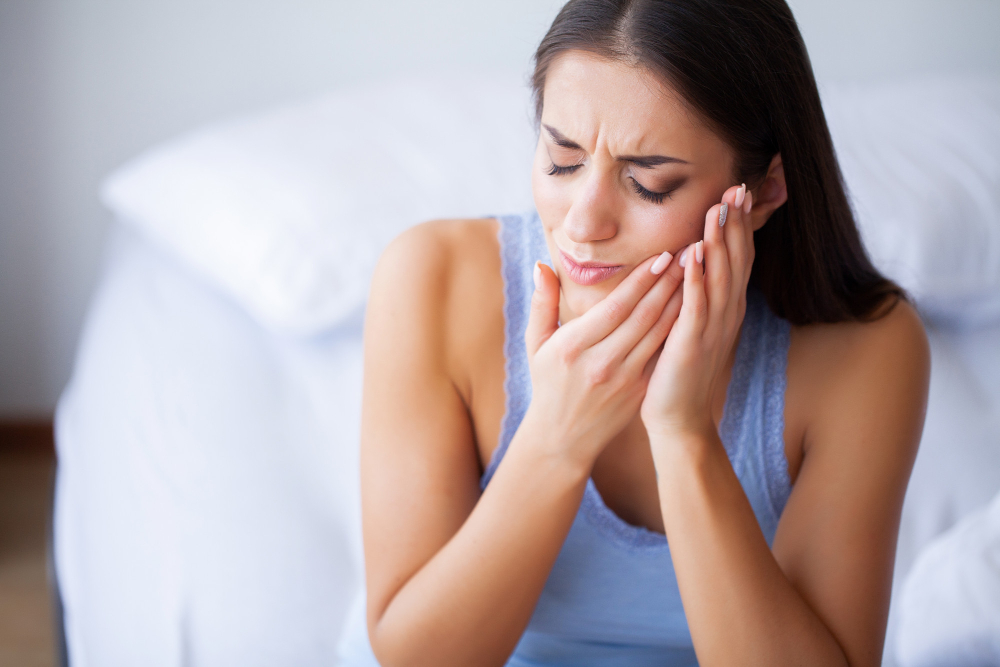
Bruxism is a condition where you grind, gnash, or clench your teeth. Many people do this at night while they sleep. However, some may also grind their teeth during the day. Often, people do not realize they have bruxism until symptoms appear. Because it can harm your teeth and jaw, it is important to understand this condition.
Common Symptoms of Bruxism
Bruxism can cause many signs and symptoms. Sometimes, these are mild. But in other cases, they can be more serious. For example, you might notice:Worn, flattened, or chipped teethJaw pain or tightnessHeadaches, especially in the morningEaraches without infectionTooth sensitivitySleep problemsClicking or popping in the jaw
Because bruxism often happens at night, you may not know you are grinding your teeth. Yet, a partner or family member may hear it.
Causes and Risk Factors
There are many reasons why someone may develop bruxism. While the exact cause is not always clear, several factors can increase your risk. For instance:Stress or anxietySleep disorders, like sleep apneaCertain medications, such as antidepressantsAlcohol or caffeine useSmoking or using recreational drugsFamily history of teeth grindingMisaligned teeth or bite problems
Additionally, children may grind their teeth when their teeth are coming in. However, most outgrow this habit.
How Bruxism is Diagnosed
If you think you have bruxism, a dentist can help. First, they will ask about your symptoms and medical history. Next, they will check your teeth and jaw for signs of wear or damage. Sometimes, your dentist may ask about your sleep habits. In some cases, they may suggest a sleep study to check for other problems, like sleep apnea. Because early diagnosis can prevent further damage, it is important to see a dentist if you notice symptoms.
Treatment Options for Bruxism
There are several effective bruxism treatment options. Your dentist will choose the best plan based on your needs. Common treatments include:Mouthguards or splints: These protect your teeth while you sleep.Dental correction: If your teeth are misaligned, fixing your bite may help.Stress management: Relaxation techniques, such as meditation or counseling, can reduce teeth grinding at night.Medication: In some cases, muscle relaxants or other medicines may be used for short periods.
Because each person is different, your dentist will recommend the most suitable treatment for you.
Lifestyle Tips and Prevention
There are steps you can take at home to help manage or prevent bruxism. For example:Reduce stress with exercise, yoga, or deep breathingAvoid caffeine and alcohol, especially in the eveningSet a regular sleep scheduleDo not chew on pens, pencils, or your nailsPractice jaw relaxation exercises
Because small changes can make a big difference, try adding these tips to your daily routine.
When to See a Dentist
If you notice signs of bruxism, do not wait to seek help. For instance, see a dentist if you have:Worn or damaged teethJaw pain or headachesDifficulty opening or closing your mouthUnexplained tooth sensitivity
Early treatment can prevent further damage and improve your quality of life. Therefore, it is always best to get professional advice.
If you suspect you have bruxism, consult a dentist at Dr. Keerthy Dental Clinic for personalized advice and treatment.