
Introduction to Dental Implants and Orthodontics
When it comes to a healthy smile, many people wonder about dental implants vs orthodontics. Both options can improve your teeth, but they serve different needs. Dental implants replace missing teeth, while orthodontics, like braces, straighten crooked teeth. Because each treatment has unique benefits, it is important to understand your choices. This guide will help you learn about dental implants, orthodontic treatment options, and how they can help you achieve a confident smile.
Key Differences Between Dental Implants and Orthodontics
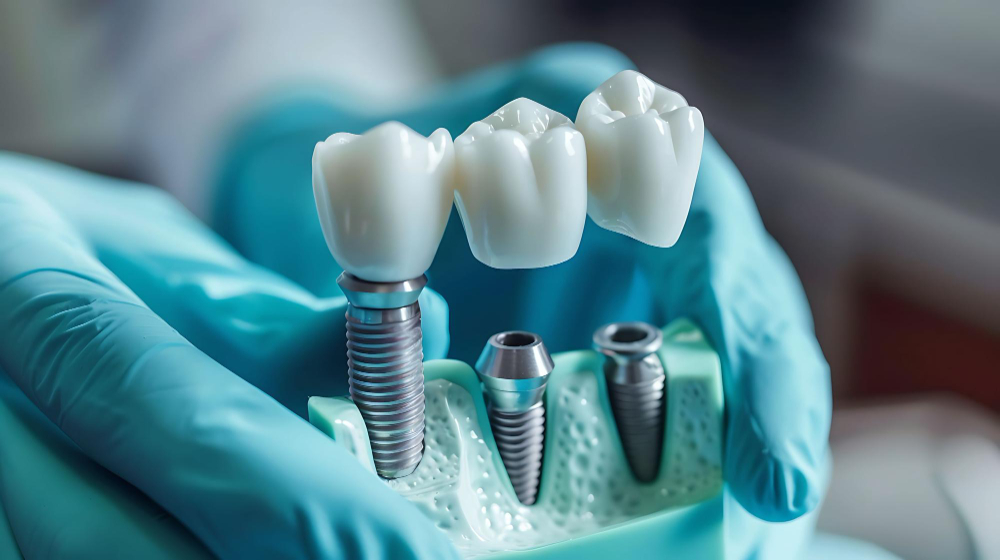
Although both treatments improve your smile, they work in different ways. Dental implants are artificial tooth roots placed in your jaw to hold a replacement tooth. Orthodontics, on the other hand, uses devices like braces or clear aligners to move teeth into better positions. For example, dental implants are used for tooth replacement, while orthodontics focuses on teeth straightening. Understanding these differences can help you make the right choice.Dental implants: Replace missing or damaged teethOrthodontics: Straighten crooked, crowded, or misaligned teethImplants: Are permanent and fixedBraces/aligners: Are temporary and removable in some cases
Indications: Who Needs Dental Implants? Who Needs Orthodontics?
Not everyone needs the same dental treatment. Therefore, knowing who benefits from each option is important. Dental implants are best for people who have lost one or more teeth due to injury, decay, or gum disease. In contrast, orthodontic treatment options are ideal for those with crooked, crowded, or gapped teeth.Dental implants may be right for you if:You have missing teethYour jawbone is healthyYou want a long-term solutionOrthodontics may be right for you if:Your teeth are crooked or crowdedYou have bite problems (overbite, underbite)You want to improve your smile’s appearance
Procedure Overview: What to Expect
Before choosing between dental implants vs braces, it helps to know what each procedure involves. Dental implants usually require several visits. First, your dentist places a small metal post in your jaw. After healing, a crown is attached to look and feel like a real tooth. Orthodontic treatment, however, involves fitting braces or clear aligners. Over time, these devices gently move your teeth into better positions. Most orthodontic treatments last from several months to a few years.
Benefits and Risks of Each Option
Both dental implants and orthodontics offer many benefits. However, each also has some risks. Knowing these can help you make an informed choice.Dental Implants Benefits:Look and feel like natural teethPrevent bone loss in the jawAllow normal eating and speakingDental Implants Risks:Infection at the implant siteImplant failure (rare)Need for surgeryOrthodontics Benefits:Straighter teeth and improved biteEasier cleaning and better oral healthBoosted confidenceOrthodontics Risks:Discomfort or sorenessPossible tooth decay if not cleaned wellLonger treatment time
According to the American Dental Association, both treatments are safe when done by a trained dental specialist.
Cost Considerations and Longevity
Cost is an important factor for many people. Dental implants often cost more upfront than orthodontic treatments. However, implants can last a lifetime with proper care. Braces or aligners may be less expensive, but you might need retainers or follow-up care. Because insurance plans vary, it is wise to check your coverage before deciding. In most cases, dental implants are a one-time investment, while orthodontic treatments may require ongoing care.
Lifestyle Impact and Aftercare
Choosing between dental implants vs orthodontics also depends on your lifestyle. Dental implants act like natural teeth, so you can eat most foods. Aftercare involves regular brushing, flossing, and dental check-ups. Orthodontic treatments, on the other hand, may require avoiding sticky or hard foods. You will also need to clean around braces or aligners carefully. After treatment, wearing a retainer helps keep your teeth straight. Good oral hygiene is important for both options.
How to Choose the Right Option for You
Deciding between dental implants and orthodontic treatment options can feel overwhelming. However, talking to a dental specialist can help. Consider your dental needs, budget, and lifestyle. For example, if you need to replace a missing tooth, dental implants may be best. If you want to straighten your teeth, orthodontics is likely the right choice. Your dentist will review your oral health and recommend the best plan for you.
In summary, both dental implants and orthodontics can give you a healthy, beautiful smile. Each option has its own benefits and risks. Therefore, it is important to weigh your choices carefully. Consult a dental specialist at Dr.Keerthy Dental Clinic to discuss which option is best for your smile.