
Introduction
Keeping your mouth healthy starts with good habits. One key habit is knowing how often you should change your toothbrush. Many people forget this simple step. However, replacing your toothbrush on time helps keep your teeth and gums clean. In this blog, you will learn why toothbrush replacement frequency matters and how it affects your oral health.
Why Changing Your Toothbrush Matters
First, a fresh toothbrush cleans your teeth better. Over time, bristles wear out and become less effective. Also, old toothbrushes can collect bacteria, which may harm your mouth. For example, germs can grow on damp bristles. As a result, using an old brush may spread bacteria instead of removing it. According to the American Dental Association (ADA), changing your toothbrush helps prevent these problems.
Recommended Frequency
So, how often should you change your toothbrush? The ADA recommends replacing your toothbrush every three to four months. If the bristles look frayed sooner, you should change it right away. Children may need new toothbrushes more often because they brush harder. After being sick, it is also wise to get a new toothbrush. This helps stop germs from returning to your mouth.
Signs You Need a New Toothbrush
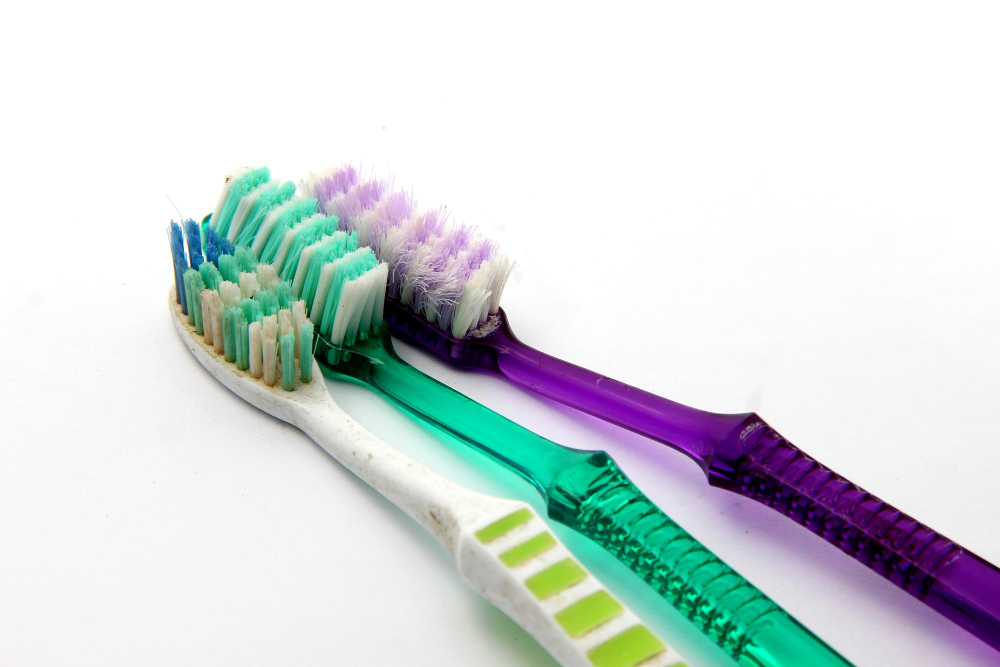
Sometimes, you may need to replace your toothbrush before three months. Watch for these signs:Bristles look frayed or bentBristles feel hard or roughToothbrush has a bad smellColor on bristles has fadedYou have been sick recently
If you notice any of these, it is time for a new brush. Even if your brush looks fine, remember to change it every three to four months.
Risks of Not Changing Your Toothbrush
Using an old toothbrush can lead to problems. For instance, worn bristles do not clean teeth well. This may cause plaque to build up. Over time, plaque can lead to cavities and gum disease. In addition, bacteria on old brushes may cause bad breath or infections. Therefore, regular toothbrush replacement helps protect your oral health.
Tips for Toothbrush Care
Proper care can help your toothbrush last longer. Here are some easy oral hygiene tips:Rinse your toothbrush well after each useStore it upright and let it air dryKeep it away from other toothbrushesDo not cover your toothbrush, as this traps moistureSet a reminder to change your toothbrush every three months
By following these steps, you keep your toothbrush clean and ready to use.
Conclusion and Call-to-Action
In summary, changing your toothbrush every three to four months is key for a healthy mouth. Watch for signs of wear and replace your brush after illness. Good toothbrush care supports strong teeth and gums. If you have questions about your oral hygiene routine, consult your dentist at Keerthi Dental Clinic for personalized advice.