
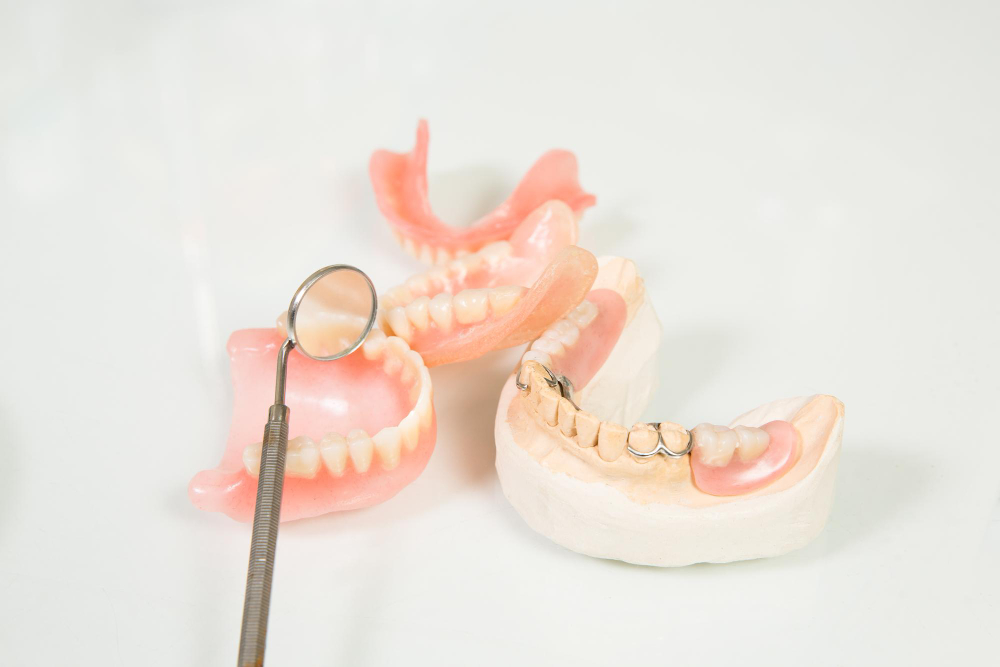
What Are Dentures?
Dentures are removable devices that replace missing teeth. They help people chew, speak, and smile with confidence. There are several types of dentures, each designed for different needs. In this guide, you will learn about the main types of dentures and how to care for them. Understanding the types of dentures can help you make the best choice for your oral health.
Why People Need Dentures
Many people lose teeth due to age, injury, or disease. When teeth are missing, it can be hard to eat or speak. Missing teeth can also affect your appearance and self-esteem. Therefore, dentures offer a simple way to restore your smile. In addition, they help keep your mouth healthy by supporting your facial muscles. For seniors, dentures can greatly improve quality of life.
Main Types of Dentures
There are several types of dentures. Each type serves a different purpose. Let’s look at the main options:
Full Dentures: These replace all teeth in the upper or lower jaw. They rest on the gums and are easy to remove.
Partial Dentures: These fill gaps when some natural teeth remain. They often use metal clasps to stay in place
.Immediate Dentures: Dentists place these right after tooth removal. They help you avoid being without teeth during healing
.Overdentures: These fit over a few remaining teeth or dental implants. They offer extra support and stability.
Implant-Supported Dentures: These attach to dental implants in your jawbone. They feel more secure and natural than regular dentures.
Pros and Cons of Each Type
Each denture type has its own benefits and drawbacks. Here is a quick overview:
Full Dentures Pros: Replace all missing teeth, affordable, easy to adjust.
Cons: May slip, need regular adjustments, less stable than implants.
Partial Dentures Pros: Keep natural teeth, easy to remove, less costly than implants.
Cons: Metal clasps may show, can feel bulky, may need repairs
Immediate Dentures Pros: No waiting for teeth, protect gums during healing.
Cons: May need more adjustments, fit can change as gums heal.
Overdentures Pros: More stable, preserve jawbone, comfortable fit.
Cons: Higher cost, need healthy teeth or implants for support.
Implant-Supported Dentures Pros: Very stable, feel like natural teeth, help prevent bone loss.
Cons: Most expensive, require surgery, longer healing time.
How to Choose the Right Denture
Choosing the best dentures for seniors or adults depends on your needs. First, consider how many teeth you need to replace. Next, think about your budget and lifestyle. For example, if you want a secure fit, implant-supported dentures may be best. However, if you need a quick solution, immediate dentures can help. Always talk to your dentist about your options. They can guide you based on your mouth’s health and your personal goals.
Basic Care and Maintenance Tips
Proper care helps dentures last longer and keeps your mouth healthy. Here are some simple denture care tips:Clean your dentures daily with a soft brush and mild soap.Rinse dentures after eating to remove food particles.Soak dentures in water or a cleaning solution overnight.Never use hot water, as it can warp the dentures.Visit your dentist regularly for check-ups and adjustments.
Common Myths About Dentures
Many myths surround dentures. Let’s clear up some common ones:
Myth: Dentures last forever.
Fact: Dentures need replacement every 5 to 10 years.
Myth: Only seniors need dentures.
Fact: People of all ages may need dentures due to injury or disease.
Myth: Dentures make eating difficult.
Fact: With practice and the right fit, most people eat well with dentures.
Myth: Dentures do not need cleaning.
Fact: Dentures must be cleaned daily to prevent infection and bad breath.
Conclusion
In summary, understanding the types of dentures can help you make the right choice for your smile. Each type has its own pros and cons. Good care and regular dental visits are key to success. If you are thinking about dentures, consult a dental specialist at Dr.Keerthy Dental Clinic for advice tailored to your needs.